
Why Is My Cat's Third Eyelid Showing?
You lean over to admire your cat mid-nap and notice something you haven't seen before: a pale little membrane peeking across the corner of their eye. Naturally, you take a closer look. Was that always there? Is it supposed to be showing?
That membrane is your cat's third eyelid, a normal part of their eye anatomy. It can briefly show during sleep or just after waking, but if it stays visible while your cat is fully awake, it may signal an eye problem or another health concern. Possible causes are eye inflammation due to infections or injury, or general illness or dehydration, or even nerve conditions.
The important clues are when it appears, whether one or both eyes are affected, and how your cat is feeling otherwise. Let's explore what this extra eyelid does, why you might be seeing more of it, and when to call your veterinarian.
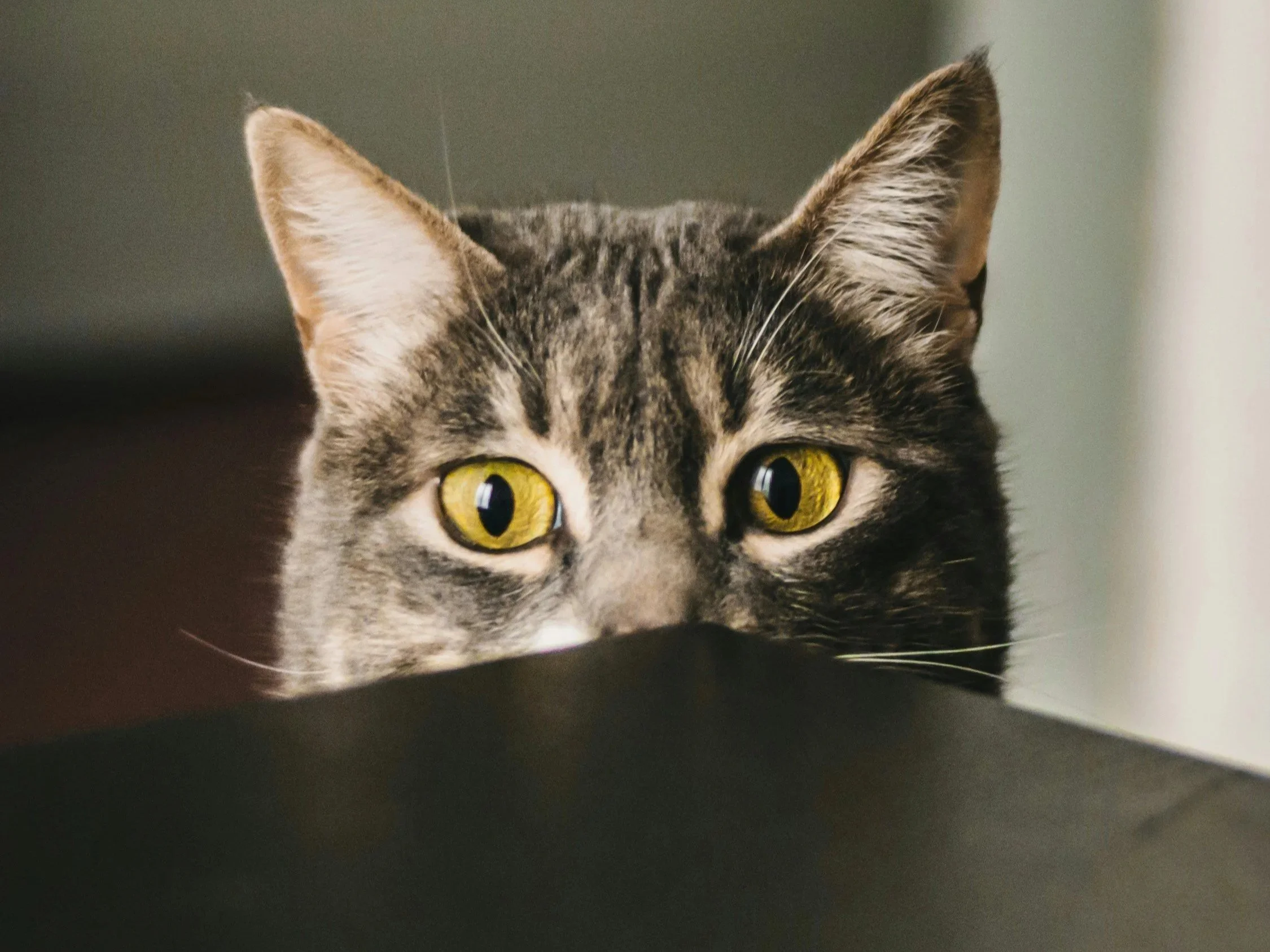
What is a cat's third eyelid?
Along with the upper and lower eyelids you're used to seeing, cats have an additional eyelid tucked into the inner corner of each eye, closest to the nose. Its technical name is the nictitating membrane, although “third eyelid” is much easier to say.
It usually looks pale or whitish pink and can move across part of the eye. This isn't an unwanted film or something you should try to wipe away. It belongs there, helping protect the eye, and its gland contributes to tear production.
Most of the time, you won't notice much of it when your cat is awake and alert. That's why seeing it suddenly can feel surprising, even if you're very familiar with the face currently demanding dinner.
Is it normal for a cat's third eyelid to show while sleeping?
If you spotted the third eyelid while your cat was snoozing, there may be a simple explanation. It can become visible during sleep or shortly after waking, then slip out of sight once your cat is fully alert.
Rather than waking them for an inspection, notice how their eyes look when they get up naturally. A brief glimpse during a nap is different from a membrane that stays across the eye while they're walking around or watching the birds.
If it remains visible, keeps appearing when they're alert, or comes with redness, squinting, or discharge, contact your veterinarian. Those details matter more than whether you happened to notice it during a nap.
Common reasons your cat's third eyelid may be showing
Several conditions can make the third eyelid more noticeable. Some involve the eye itself, while others are connected to what's happening elsewhere in the body. Because they can look similar at home, an examination is the best way to find out which explanation fits your cat.
Eye irritation, inflammation, or injury
If your cat's eye looks watery, red, or uncomfortable as well, the third eyelid may be responding to inflammation. Conjunctivitis, for example, can affect the tissues around the eye and make the third eyelid look swollen or red. You may also see frequent blinking, squinting, or discharge.
An injury to the surface of the eye is another possibility. A scratch or corneal ulcer can cause pain, tearing, and rubbing, and some damage is difficult to see without veterinary diagnostics.
Even if you can't spot a scratch, an eye held partly closed or repeatedly rubbed deserves prompt attention. It's better to let your vet examine it than assume something minor has gotten into it.
Haws syndrome
If both third eyelids are showing, you may come across the term haws syndrome while searching for answers. This condition causes the third eyelids to rise in both eyes, often in cats who otherwise seem fairly well.
Haws syndrome can occur with diarrhea, but not every affected cat has digestive symptoms. Its cause is still not fully understood, so visible third eyelids don't automatically mean your cat has intestinal parasites or a stomach bug.
The appearance can improve over several weeks, but your veterinarian should first rule out other causes. If haws syndrome is diagnosed, they can explain what to watch for and whether any associated symptoms need treatment.
Horner's syndrome
Sometimes a visible third eyelid comes with other changes on the same side: a smaller pupil, a drooping upper eyelid, or an eye that looks slightly sunken. Together, these can be signs of Horner's syndrome, which involves the nerves that supply the eye and nearby muscles.
Those nerves travel through several areas of the body, so the cause isn't always located in the eye itself. Ear disease or an injury, for example, may be involved. Your veterinarian may examine the ears and eyes to investigate.
Illness or dehydration
A visible third eyelid can also occur when a cat is unwell or dehydrated. You might notice other changes around the same time, such as less interest in food, low energy, or digestive upset.
Try to think beyond the eye for a moment. Is your cat eating normally? Are they joining you in their usual spots? Has anything changed in the litter box? These observations won't identify the cause on their own, but they're useful details to share with your vet.
When should I contact the vet?
If the third eyelid remains visible once your cat is fully awake, call your veterinarian promptly and describe what you've noticed. If your cat otherwise seems well, the clinic can help you decide how soon they should be seen. It’s especially important to contact your vet if the third eyelid visibility comes with squinting, redness, discharge, rubbing, unequal pupils, reduced appetite, or unusual tiredness.
Seek urgent care for a suspected eye injury, sudden trouble seeing, severe eye pain, or an eye that looks suddenly cloudy or swollen. For example, a cat who starts bumping into furniture may be experiencing a vision problem.
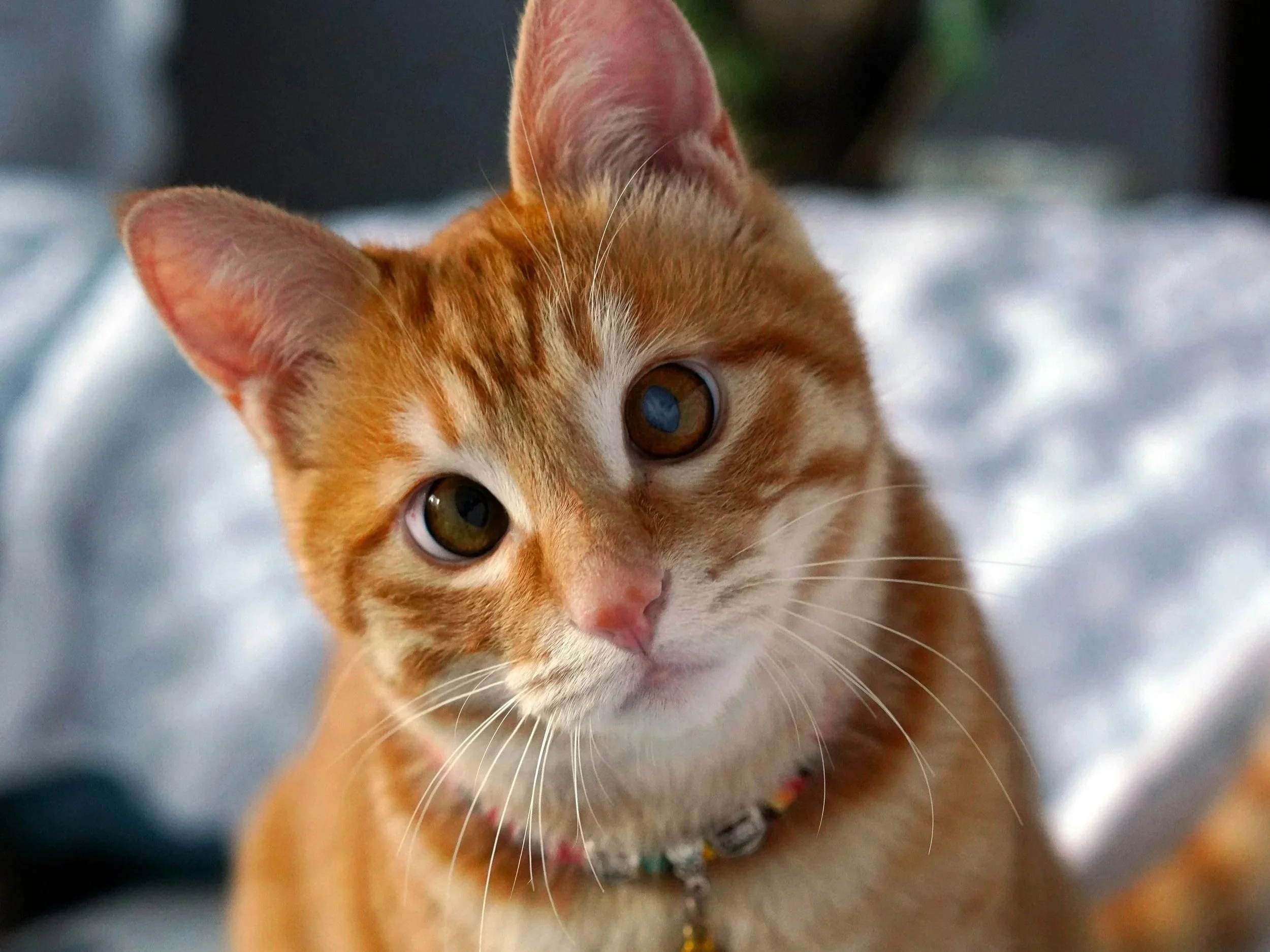
How Sylvester can support your cat's everyday comfort checks
Once you've noticed something different about your cat's eyes, it's natural to wonder whether there have been other subtle changes you've missed. Sylvester's Comfort Check uses a photo of your cat's face, computer vision, and recognized feline pain science to provide comfort insights. Regular checks can help you follow changes over time alongside your own observations.
Try making these check-ins part of a quiet moment you already share with your cat, when they're awake and relaxed. You can also jot down what you've noticed about their appetite, activity, and usual routines. Together, those observations can help you describe changes to your veterinarian. Download the app today to give it a try!
Sylvester doesn't diagnose the reason a third eyelid is showing or replace an eye examination. A reassuring Comfort Check result should never be a reason to delay care for a visible eye change.
-
It's reassuring that they seem like themselves, but it doesn't tell you why the eyelid is visible. Some cats with haws syndrome otherwise appear healthy. If it stays visible while your cat is awake, have your vet check it.
-
That depends on why it's showing. A brief appearance during sleep may disappear when your cat wakes. Other causes may require treatment or veterinary monitoring. Getting a diagnosis helps you know what recovery should look like for your cat.
-
Not necessarily. Haws syndrome has been associated with digestive signs and possible intestinal infections, but its cause remains uncertain. Your vet can decide whether stool testing or parasite treatment is appropriate rather than treating the eye change alone as evidence of intestinal parasites.