10 Signs of Feline Pain
You know your cat better than anyone. You know where they like to sleep, how they ask for attention, which surfaces they leap onto without hesitation, and when they would rather be left alone. That familiarity can be one of your most valuable tools for protecting their health, because you are often the first person to notice when something feels different.
Pain in cats is not always obvious. Cats naturally tend to hide discomfort, so the earliest signs may appear as small changes in their everyday behaviour - eating a little less, hesitating before a jump, grooming differently, or spending more time alone. These changes can be easy to dismiss, particularly when a cat is not crying or visibly injured.
Learning the common signs of pain in cats can help you recognize these subtle changes sooner. If your cat is behaving differently from normal and the change persists, trust your instincts and contact your veterinary team.
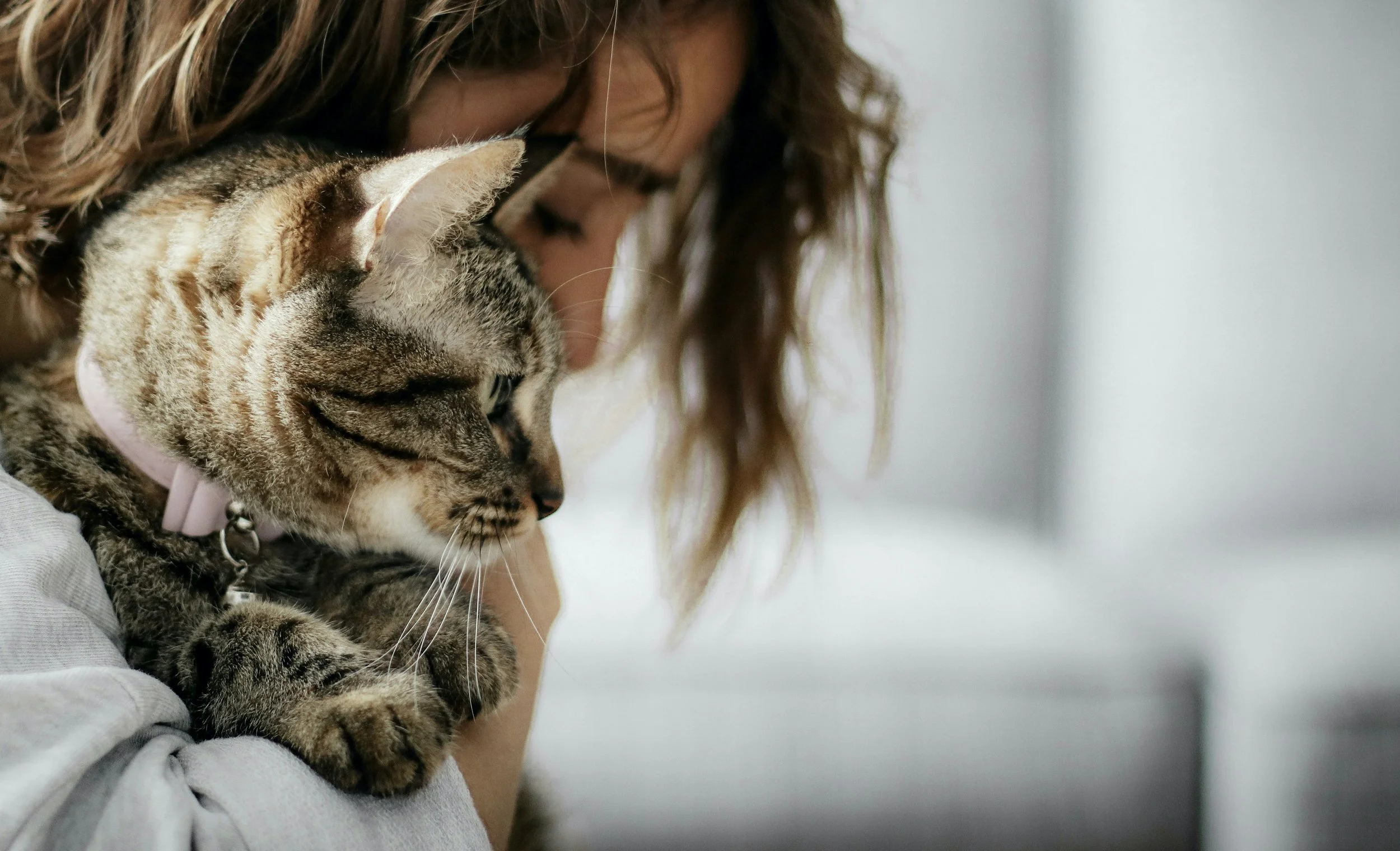
What are the signs of pain in cats?
Signs of pain in cats are rarely dramatic. More often they show up as quiet changes in day to day behaviour. These changes are easiest to spot at home, in a familiar environment where your cat is relaxed. A clinic visit can mask them, because stress often suppresses the very behaviours we're looking for.
Ten common signs that a cat may be in pain include:
Hiding or withdrawing more than usual
Eating or drinking less
Moving stiffly, limping or hesitating to jump
Sleeping in unusual places or positions
Grooming less, or repeatedly licking one area
Becoming unusually irritable, restless or quiet
Avoiding touch, being picked up or interacting with people or pets
Having litter box accidents, straining or changing urinary habits
Sitting hunched with the head lowered or the body tense
Showing facial changes such as narrowed eyes, flattened ears or tense whiskers
One sign by itself does not confirm pain, and some changes can have causes other than pain. However, a new behaviour that persists, worsens or is noticeably out of character should be discussed with your veterinary team.
How can I monitor my cat for pain at home?
Keep a simple record of your cat's normal routine and note meaningful changes. You do not need to track every detail. Focus on:
Food and water intake
Walking, climbing and jumping
Play and activity
Grooming
Sleep locations and posture
Social interaction
Litter box use
Facial expression
Photos or short videos can help show changes that may not be visible during an appointment. Note when the change began, how often it happens and whether it is getting better or worse. This gives your veterinary team more useful information when deciding what your cat may need next.
Download: 10 signs of pain in cats. Keep this quick-reference guide on your phone or refrigerator so everyone in your home knows what to watch for.
What is the Feline Grimace Scale?
The Feline Grimace Scale (FGS) is a validated tool developed to help assess acute pain in cats by evaluating five facial action units:
Ear position
Orbital tightening, or narrowing of the eyes
Muzzle tension
Whisker position
Head position
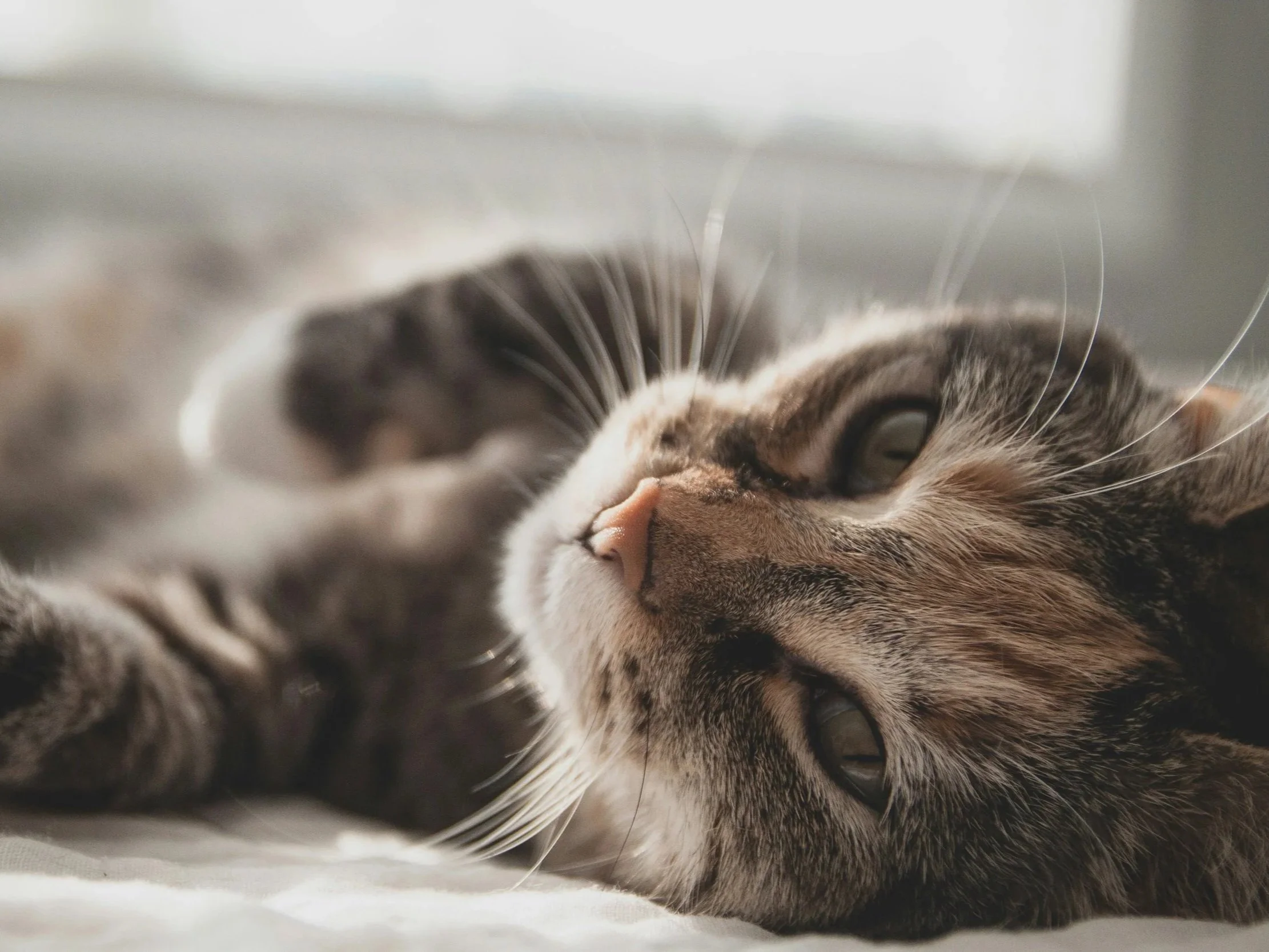
A cat experiencing acute pain may have ears rotated outward or flattened, narrowed eyes, a tense muzzle, stiff or forward-positioned whiskers, and a head held below the shoulders. These features must be considered together and in context; one facial feature alone does not prove that a cat is in pain.
The FGS is one of several feline pain-assessment tools used in veterinary medicine. Sylvester's computer vision is informed by established feline pain research, including the Feline Grimace Scale, the Glasgow Composite Measure Pain Scale–Feline and the UNESP-Botucatu Multidimensional Composite Pain Scale. Images used to train the model are annotated by certified animal behaviourists using clinical assessment frameworks rather than general-purpose image labels.
Sylvester's research team continues to study how factors such as posture, coat length, coat colour, face shape and body condition may affect the way discomfort appears. Pain scales still require context and clinical judgment, which is why a Cat Comfort Check is designed to support-not replace-veterinary care.
Sylvester's feline pain research is led by Frances Valentine, PhD. Dr. Valentine holds a doctorate in Animal Science from the University of British Columbia and a master's degree in Applied Animal Behaviour and Welfare from the University of Edinburgh.
How does a Cat Comfort Check work with Sylvester?
A Cat Comfort Check is a quick, non-invasive way to check for facial signs associated with comfort or discomfort. Simply take a clear photo of your cat’s face in the Sylvester app. The technology analyzes five facial regions: head position, ears, eyes, whiskers, and muzzle, and provides an instant insight into how your cat may be feeling.
A Comfort Check does not diagnose a health condition, but it may help you notice subtle changes that warrant closer monitoring or a conversation with your veterinarian. Learn more about Sylvester and download the app today for one week of free unlimited comfort checks!
-
Look for changes from your cat's normal behaviour. Common signs include hiding, eating less, moving stiffly, hesitating to jump, grooming changes, litter box changes, irritability and a tense or hunched posture. Facial changes such as narrowed eyes, flattened ears and tense whiskers may also occur. You can also use Sylvester.ai to run a comfort check at home.
-
There is no single sign that appears in every cat. Behavioural changes are often the earliest clue. Your cat may become less active, stop jumping, hide more, resist touch or change their eating, grooming or litter box habits.
-
Yes. Although cats commonly purr when content, some also purr when stressed, frightened or uncomfortable. Purring alone does not confirm that a cat is comfortable or in pain; consider the cat's complete behaviour and physical condition.
-
Yes. Cats may continue some normal activities while experiencing pain, especially when discomfort is mild, intermittent or developing gradually. A change from your cat's usual pattern can be more informative than whether they perform a behaviour at all.
-
Sylvester uses computer vision and established feline pain research to screen visible features associated with comfort from a photo. It can support at-home monitoring and conversations with your veterinary team, but it cannot diagnose pain or replace veterinary care.