
Signs Your Cat May Be In Pain: What Cat Caregivers Should Know
Cats are masters at hiding their pain, a skill they originally developed to protect themselves in the wild. When cats don’t feel their best, it can affect their quality of life, making them less likely to interact with their caregivers or participate in the activities they normally enjoy. While we wish our cats could tell us exactly how they are feeling, they do offer us some clues.
Thankfully, caregivers don’t have to navigate this alone. Using validated veterinary pain scales and data sets from thousands of cats, a dedicated cat-centric expert team backed by veterinarians created Sylvester.ai, an AI tool that instantly assesses your cat’s face through your phone. Dr. Frances Valentine is the lead animal behaviorist behind the tool.

Physical Signs of Pain in Cats
Cat caregivers can look for several physical signs that may indicate discomfort or pain. Here are some changes in appearance and behavior to watch for.
Facial Expressions
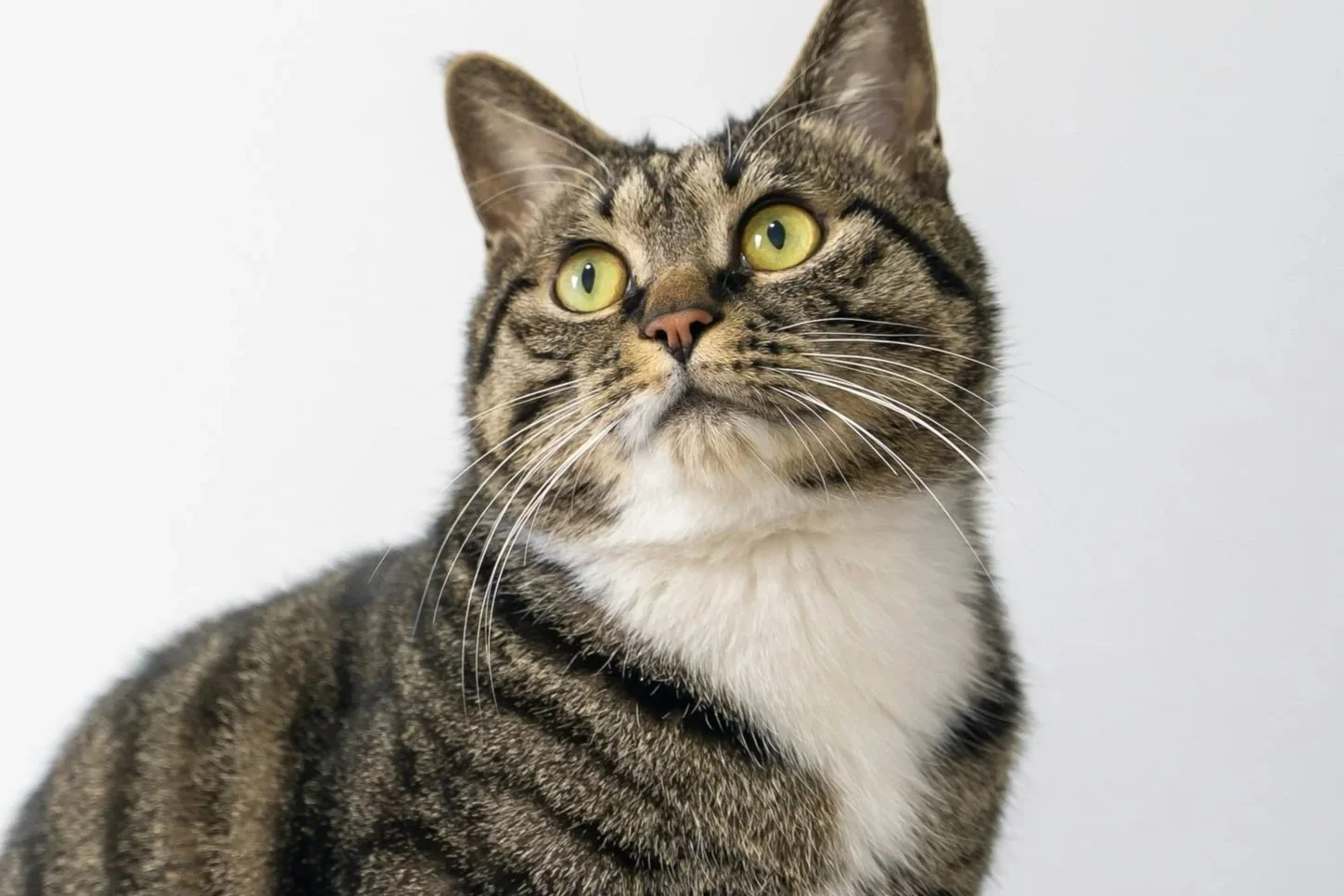
Cats may squint, lower their head, lower their ears, tense their muzzle, and/or have very stiff and straight whiskers when experiencing pain.
Changes in Posture
When relaxed, cats often stretch out and lie on their side or back. A cat experiencing pain may hunch or crouch more frequently, walk stiffly, or appear restless before finding a comfortable position to lie down.
Grooming Changes
A change in grooming habits can be a clue that something may be wrong. Watch for excessive licking, matted fur, or greasy fur, as these may indicate a cat is struggling to groom themselves properly.
Breathing Changes
If you notice rapid or labored breathing, seek veterinary attention immediately. A prompt response can help ensure your feline companion receives the care they need.
““At Sylvester.ai we use facial cues to decode your cat’s comfort level. Grounded in science, and with over 350,000 pictures assessed, our tool has demonstrated over 86% accuracy at identifying cat pain. This early detection tool can let caregivers know if their cat is in pain and can track the health of a cat over time. We see this as just the beginning of our work in providing effective and proactive pet healthcare for cats everywhere.””
Behavioral Signs of Pain in Cats
In addition to physical signs, behavioral changes can also indicate that your cat is not feeling their best. Caregivers who are familiar with their cat’s normal routines are often the first to notice when something has changed.
Decreased Mobility
Cats are naturally agile, but pain can make movement more difficult. Cats experiencing discomfort may become less playful, hesitate before jumping, or move more slowly when climbing stairs.
Increased Negative Behaviors
Even the sweetest cat can become grumpy when they are not feeling well. Previously docile cats may display increased aggressive behaviors, including biting or scratching.
Appetite Changes
Pay attention to changes in your cat’s normal eating and drinking habits. Some cats may consume less food and water, while others may consume more. The key indicator is a noticeable change from their usual routine.
Sleep Changes
Just as appetite can change, sleep habits may also shift. Some cats may sleep more than usual, while others may sleep less.
Litter Box Changes
When cats struggle to use the litter box properly or begin having accidents outside the box, they may not be feeling their best. Watch for increased visits to the litter box or signs of straining.
Increased Vocalization
Listen closely to the sounds your cat makes. Increased hissing, crying, howling, or growling can be an expression of discomfort. Noting when and where these vocalizations occur may help your veterinarian better understand what could be causing pain.
Dr. Matt McGlasson shares tips about pain in cats, and how to spot it.
Tools for Detecting Cat Discomfort
Technology is making it easier for caregivers to assess their cat’s comfort and support preventive care. Try Sylvester for free at my.sylvester.ai to learn how your cat may be feeling today and track their comfort over time.
Source: Catalyst Council
This article was reviewed and edited by board-certified veterinarian Dr. Matt McGlasson and animal behaviorist Frances Valentine, PhD.