To support your senior cat, keep up with regular veterinary checkups, make food, water, litter boxes, and favorite resting spots easy to reach, and adjust their care as their needs change. Paying attention to their appetite, weight, movement, grooming, and behavior can help you recognize concerns early and share them with your veterinarian.
After years together, you probably know your cat’s routines almost as well as your own, from their favorite afternoon sleeping spot to the way they remind you that dinner is overdue. That familiarity can help you notice when something seems different, even when the change is subtle.
In celebration of Senior Pet Month this November, we’re sharing practical ways to support your older cat’s comfort, health, and happiness, so they can keep enjoying the routines - and the people - they love.
When is a cat considered a senior?
Cats are generally considered seniors around 11 years old, but that doesn’t mean your cat is ready to give up their hallway zoomies or their role as dinner supervisor. Every cat ages differently, and regular conversations with your veterinarian can help you understand what yours needs along the way. Even when they seem to be feeling well, being proactive about their care can help you support their comfort and health as they get older.
Keep regular senior cat checkups on the calendar
Even when your cat seems to be doing well, regular veterinary visits can help catch changes that are easy to miss at home. FelineVMA recommends checkups at least every six months for cats ages 10–15 and every four months for cats over 15, though your veterinarian can help you decide what schedule makes sense for your cat.
These visits are a good time to talk about your cat’s weight, muscle condition, teeth, and overall comfort, and to ask whether any screening tests would be helpful. It’s also worth bringing notes about anything you’ve noticed at home, whether that’s a change in appetite or hesitation before jumping onto the sofa. Since cats don’t always show the same behaviors at the clinic, those everyday observations can give your veterinarian a fuller picture of how your cat is doing.
Take small changes seriously
When you see your cat every day, small changes can happen so gradually that you barely notice them at first. Maybe they’re no longer hopping onto the sofa beside you, their coat looks a little less tidy, or they’ve started pulling away from petting they used to enjoy.
It’s easy to put these differences down to getting older, but they can also be signs that something is making your cat uncomfortable. Sore teeth might make meals less appealing, while aching joints could make getting into the litter box more difficult. Sharing these changes with your veterinarian can help you understand what’s going on and what might help.
You don’t have to figure out the cause before reaching out. Simply explaining what you’ve noticed, when it began, and whether it happens regularly gives your veterinary team a helpful place to start.
Make favorite places easier to reach
Take a look around your home and think about how your cat gets to the places they love. If their favorite spot on the sofa or beside the window takes a big leap to reach, sturdy pet steps or a ramp could make it easier. A soft bed in a quiet spot that’s easy to get to gives them another comfortable place to curl up.
It can also help to keep food, water, and litter boxes on each floor your cat spends time on, so they don’t have to tackle the stairs whenever they need something. A roomy litter box with a low entrance may be more comfortable to step into, especially if those tall sides are becoming a challenge. Keeping familiar items in consistent places and sticking to a predictable routine can make daily life easier, too.
A few thoughtful adjustments can help your cat keep enjoying their favorite spaces. If you’ve noticed they’re having trouble getting around, share that with your veterinarian so you can address any discomfort alongside making your home more accessible.
Review food, water, and weight with your veterinarian
As your cat gets older, it’s worth checking in with your veterinarian about whether their usual food and portions are still meeting their needs, especially if they’re managing a health condition. What works well for one senior cat may be different from what another needs.
At home, pay attention to how much your cat is eating and drinking, and let your veterinarian know if their weight changes. Even a cat who eagerly turns up for every meal can lose weight because of an underlying illness, so a healthy appetite doesn’t always tell the whole story. Keeping fresh water in a few easy-to-reach spots can also make it easier for them to grab a drink throughout the day.
Adapt playtime and lend a hand with grooming
Your cat may still love a chance to stalk their favorite toy, even if the chase looks a little different these days. Try offering gentle play sessions and let them set the pace, whether they’re keen to pounce or prefer batting at a toy from the comfort of their bed. There’s plenty of room for quiet time together, too, especially on days when sitting beside you is what they enjoy most.
They may also appreciate a little help with grooming as some spots become harder to reach. Gentle brushing and regular nail checks can help keep them comfortable, but if brushing seems painful or you notice mats in their coat, ask your veterinary team for help. These conversations are a good opportunity to check on their dental care as well, since a healthy mouth is another part of helping them feel their best.
Make comfort part of your everyday routine
You might notice your cat pausing a little longer before jumping onto the sofa or moving away when you stroke a spot they usually don’t mind. These little moments can be hard to describe later, so making a quick note or recording a short video can help you share what’s been happening with your veterinarian.
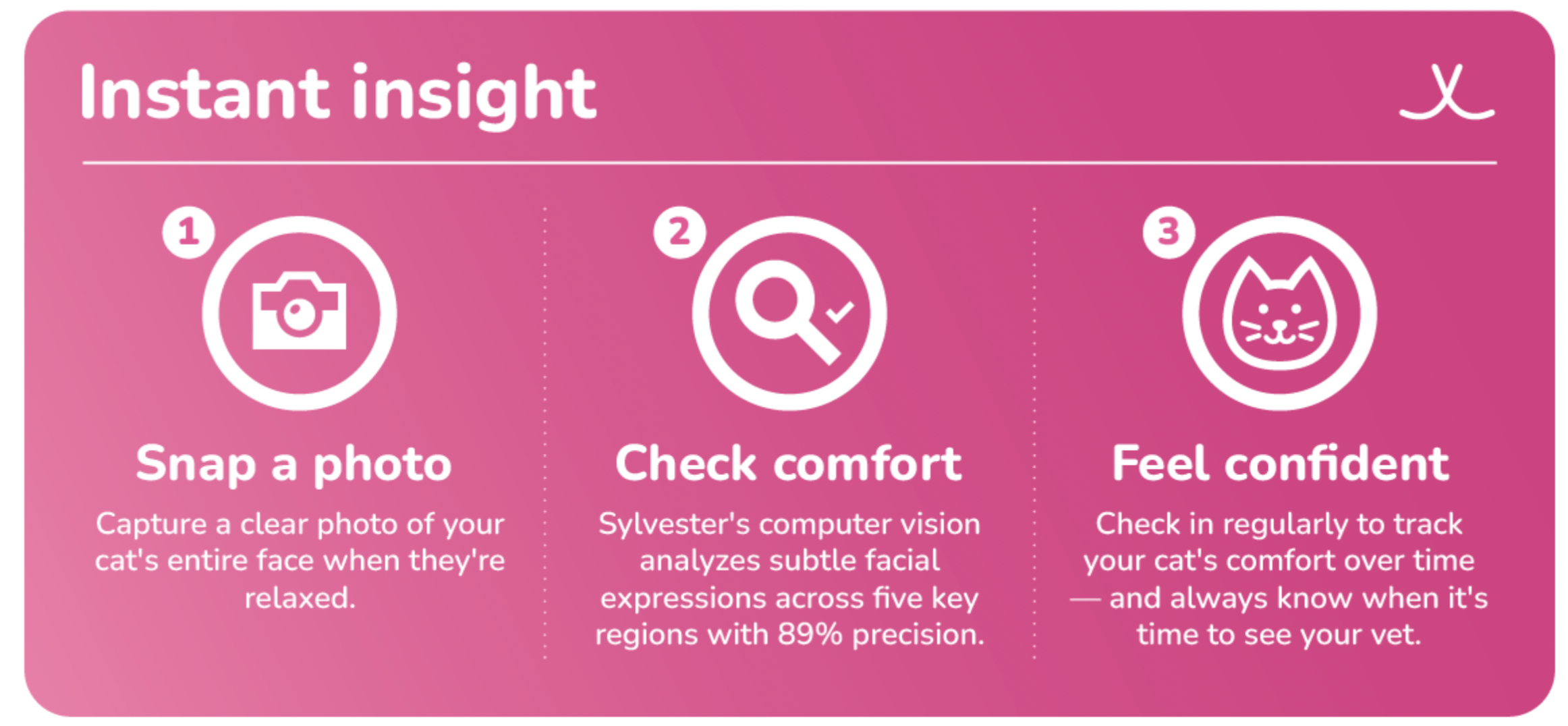
As you get into the habit of noticing how your cat is doing each day, a Sylvester.ai Comfort Check can be another way to check in on their comfort. You can share the results with your veterinary team, along with anything you’ve noticed about their appetite, movement, or usual routines. And if something still doesn’t seem right, it’s always worth bringing up, even if the result suggests they’re comfortable, so your veterinarian can take a closer look and help you understand what might be going on.
Celebrate the cat they are today
Senior Pet Month is a lovely reason to make extra time for the routines you both enjoy, whether that means a gentle game, a brushing session, or an afternoon sharing the sofa.
As your cat’s needs change, you can keep finding ways to help them enjoy their days. Often, that begins with the familiarity you’ve built over the years and a willingness to notice when they need something a little different.